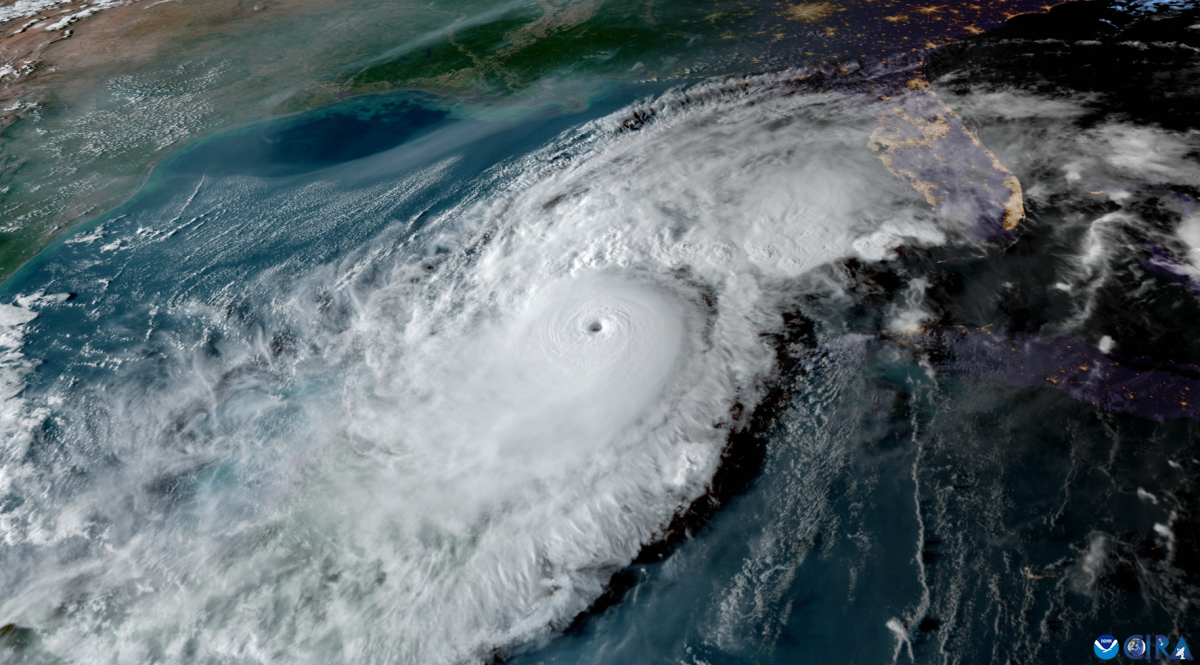


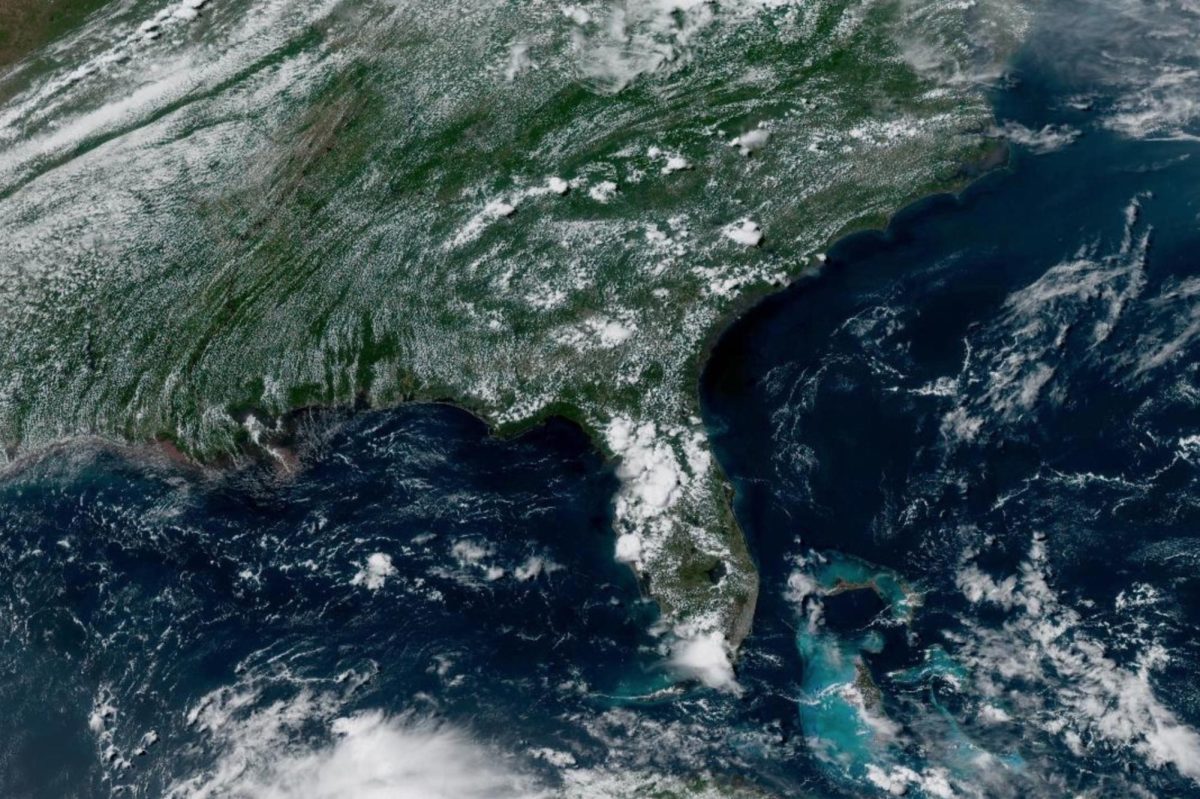
The 2026 Atlantic hurricane season began June 1 with a below-average forecast. While University of North Florida officials and emergency managers urge students to remain prepared, this calmer outlook on the season is largely driven by a developing weather pattern known as El Niño.
While the National Oceanic and Atmospheric Administration predicts fewer storms due to what could be the strongest El Niño on record, the NOAA Jacksonville Emergency Preparedness Division warns that Northeast Florida remains vulnerable to localized flooding, power outages, and significant disruptions, underscoring the need for proactive student planning.
Hurricanes and El Niño
El Niño is a climate phenomenon in which sea surface temperatures in the tropical Pacific Ocean rise substantially and can affect global weather patterns for months, according to NOAA. While it originates in the Pacific, it dramatically alters the atmospheric conditions necessary for hurricanes and similar storms to develop in the Atlantic Ocean.
One of the defining consequences of El Niño is an increase in vertical wind shear across the Atlantic. Wind shear occurs when wind speeds and directions change rapidly across different altitudes.
During a powerful El Niño, these high-altitude winds tear across the Atlantic and disrupt storm formation.
“Although El Niño’s impact in the Atlantic Basin can often suppress hurricane development, there is still uncertainty in how each season will unfold,” the NOAA website reads.
Largely due to El Niño’s presence in the Atlantic Basin, NOAA predicts a below-average season this year, forecasting eight to 14 named storms, according to the agency’s annual preseason report.
Of those, NOAA predicts three to six could become hurricanes, with one to three reaching major hurricane strength, classified as Category 3 or higher. This is a decrease from the historical average of 14 named storms.
Despite the calmer forecast, the message for the campus community remains the same. It only takes one localized storm to cause significant disruptions, power outages and flooding in Northeast Florida, the Jacksonville Emergency Preparedness Division said for the 2026 hurricane season.
“I encourage every resident to visit JaxReady.com, download the guide, discuss your emergency plan with your household, and take action today, before a storm threatens,” said Andre Ayoub, Chief of the City of Jacksonville Emergency Preparedness Division.
On-campus and off-campus readiness
For students living on campus, the university has established protocols to maintain safety.
UNF’s campus is not located in a designated mandatory evacuation zone, according to the city of Jacksonville’s evacuation maps. Because of this, the university often works to remain open and shelter students in place as long as it is safe to do so.
In the event of a stronger storm, Housing and Residence Life can direct on-campus residents to Osprey Fountains, according to UNF housing director Robert Boyle. The residence hall is built to withstand stronger winds and is equipped with backup generators to support essential life-safety systems.
“If we’re not saying everyone absolutely has to leave campus, we can provide some services out of Osprey Fountains,” Boyle said.
Off-campus students, however, face different risks. Those living in coastal or low-lying areas of Jacksonville should determine their evacuation zone by utilizing the city’s JaxReady app or visiting the city’s emergency management website, according to the Duval County Emergency Operations Center.
Building a plan
Whether living in a dorm or an off-campus apartment, emergency management experts recommend students finalize their hurricane plans before a storm actively threatens the coast.
While the UNF Crisis Management team does ensure communication in the event of a hurricane, the Federal Emergency Management Agency advises the following preparations:
- Discuss an evacuation plan with family members and designate an out-of-town contact.
- Build a disaster supply kit that includes one gallon of water per person per day for at least three to seven days, nonperishable food, a first-aid kit, flashlights and extra batteries.
- Monitor alerts from UNF’s Crisis Management team and pay attention to local forecasts. City officials highly recommend downloading the JaxReady app for real-time local updates and evacuation orders.
UNF student Sarah Phillips was living in Jacksonville in 2024 when Hurricane Helene devastated the surrounding area. According to Phillips, especially as an out-of-state student, building an evacuation plan helped her and her family remain calm during this emergency.
“I had a cat at the time, and I was on my own, so setting up our plan beforehand was really smart to do,” said Phillips. “There was less panic.”
As the semester progresses, staying informed and having a plan in place will ensure students are ready to handle whatever the season brings.
___
For more information or news tips, or if you see an error in this story or have any compliments or concerns, contact [email protected].