

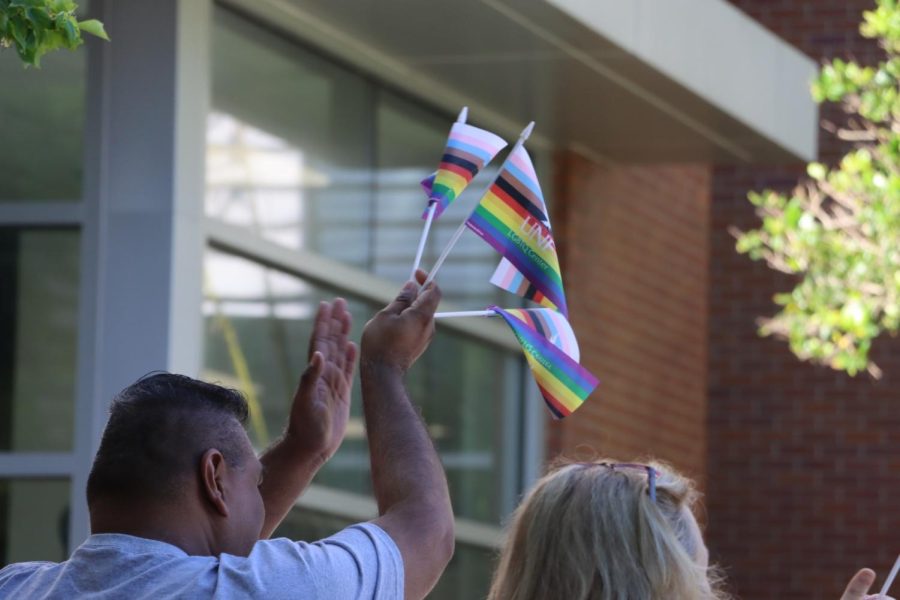
The UNF Pride Club at the University of North Florida is concerned that the recently passed SB 1134 contributes to a larger erasure of the LGBTQ+ community.
The bill, passed by the Florida Legislature on March 10, bans local governments from funding or promoting diversity, equity, and inclusion (DEI) initiatives.
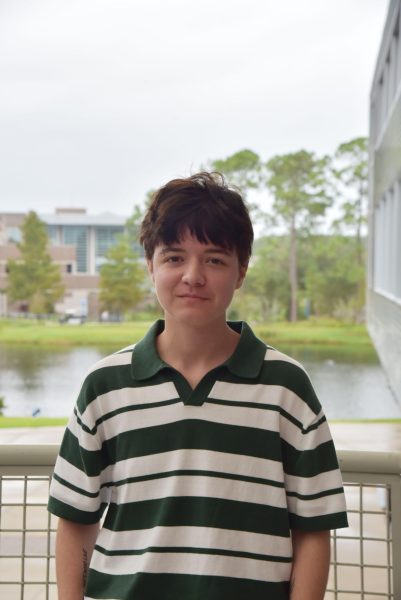
Spinnaker spoke with UNF Pride Club President Ausare Hicks, who described this recent legislation as an act of erasure. Hicks also elaborated on the UNF Pride Club’s experience serving as an executive commission under the UNF Student Government (SG) following the UNF Office of Diversity and Inclusion’s phase-out in 2023.
SB 1134 threatens LGBTQ+ visibility
Though this Florida Senate bill does not ban Pride festivals or parades in the state, Florida House Speaker Daniel Perez acknowledged the bill would establish new restrictions on supporting or promoting them.
“Do we want taxpayer dollars to be used to put on certain events that have to do with DEI, promoted by local governments? No, we don’t,” Perez said to the press inside the Florida House chamber. “But that doesn’t inhibit the ability for local governments to be able to have a gay Pride festival if that’s what they choose to do.”
However, Equality Florida, a self-described civil rights organization for LGBTQ+ members in Florida, expressed concern that the bill can still be used to target LGBTQ+ programs and protections.
“Debate over the bill made expressly clear that LGBTQ+ people were a central target of the legislation,” states the Equality Florida website. “The public record, the bill sponsors’ own statements, and hours of legislative debate revealed the animus driving the effort to pressure local governments into pulling back from recognizing or resourcing programs targeting LGBTQ residents and other historically marginalized communities,” the statement says.
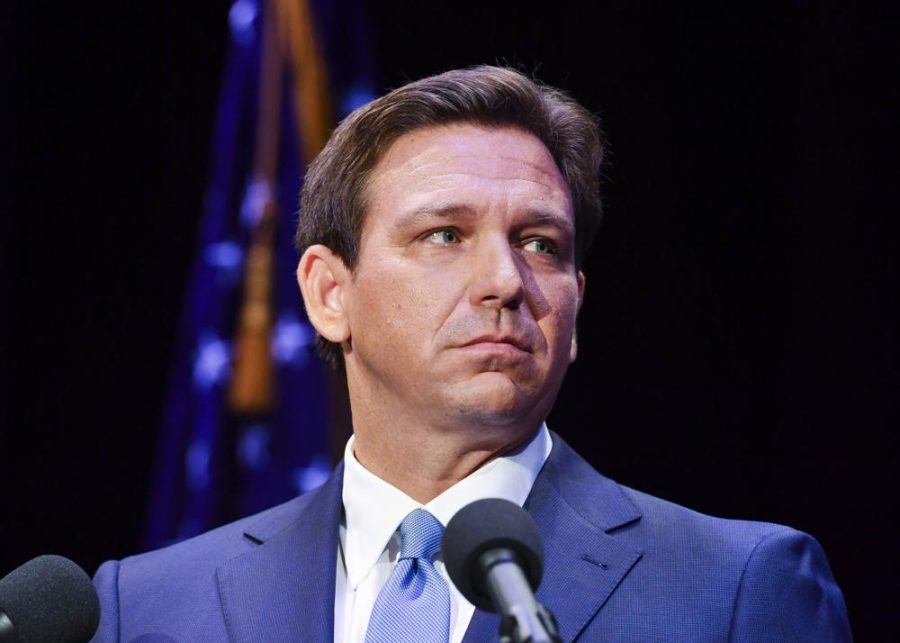
If the bill were signed into law, Gov. Ron DeSantis would also remove any officials found in violation of the legislation.
Hicks said that although this anti-DEI sentiment has long existed during DeSantis’s term, this specific legislation threatens LGBTQ+ voices.
“It’s in the interest of erasure, because that [bill] means no Florida government officials, state or local, can openly help fund the pride parade or celebrations or events,” Hicks said. “It’s trying to really finalize the current American narrative, trying to solidify that.”
Hicks said DeSantis’ influence at the local level, including the delegation of which lights are shown on state bridges.
“It’s kind of similar to the legislation he [DeSantis] passed about the bridges in Jacksonville not having rainbow colors up,” Hicks said.
The Florida Department of Transportation (FDOT), under DeSantis’s “Freedom Summer” initiative, mandated that state bridges, including those in Jacksonville, display only red, white, and blue lights from Memorial Day to Labor Day.
This policy blocked rainbow lighting for Pride Month.
UNF LGBTQ Center
Former director of UNF’s LGBTQ center Manuel Velasquez said the bill raises “important questions” about whose voices are heard in communities.
“At its core, this bill limits the ability of local communities to support initiatives that recognize and uplift people from different backgrounds,” said Velasquez. “For many people, those programs aren’t abstract ideas; they are real spaces where we can feel seen, supported, and connected.”
Velasquez said the response to the bill is the most important, encouraging advocacy, voting, and conversations about the bill and similar matters.
“Change has always been driven by people who choose to stay informed, speak up, and engage thoughtfully with the world around them,” said Velasquez. “Regardless of where someone stands on this bill, one thing remains true: your voice matters, and your voice equals your vote.”
Hurdles follow DEI office phaseout
Following the UNF Office of Diversity and Inclusion’s phase-out, which erased the Intercultural, Interfaith, LGBTQ, and Women’s centers, Hicks explained that becoming an executive commission under SG has been a necessary adjustment to remain an entity on campus.
“I would say it’s a lot more hurdles than we’re all used to because there’s a lot more oversight, a lot more things like funding that need to be approved,” Hicks said.
Hicks became the president of Pride Club earlier this semester and explained that, though taking this role aligns them more closely with SG and thus the university, they feel it’s important to speak out against initiatives that erase LGBTQ+ voices.
“As a holder of identity, you can’t really be indifferent,” Hicks said.
UNF provided no comment on the concerns related to this bill.
___
For more information or news tips, or if you see an error in this story or have any compliments or concerns, contact [email protected].